


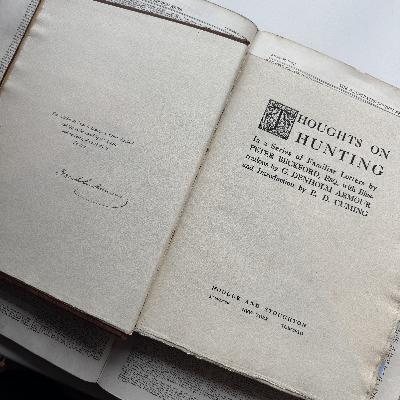
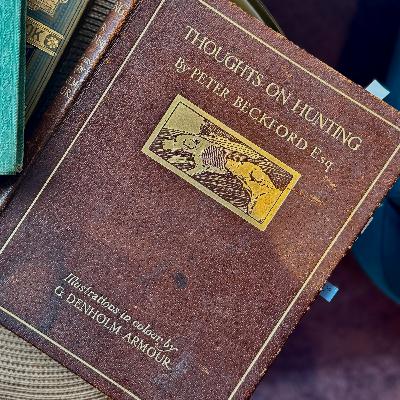
Part 2 | The Book That Started It All: Thoughts on Hunting, Kennel Design, Mercury Poisoning, and the Passionate Heart of Peter Beckford
Description
Two hounds clung to each other all night on a hedge surrounded by freezing floodwater. When the water receded the next morning, they were found "closely clasping each other—without doubt, it was the friendly warmth which they afforded each other that kept both alive." This is Peter Beckford in crisis, showing his true character when his beloved pack faced disaster.
Part 2 of our journey through the 1787 hunting masterpiece moves from literary art to practical animal care—revealing both Beckford's surprisingly advanced veterinary knowledge and the dangerous medical practices of his era. Discover his mange treatments: sulfur, whale oil (train oil), and turpentine created an effective, safe remedy still used today in some forms. But red mange required something stronger—quicksilver (liquid mercury) mixed with turpentine and hog's lard, rubbed directly onto the dog's skin for three consecutive days. It killed the parasites. It also frequently killed the dogs and likely poisoned the staff applying it without gloves (rubber gloves weren't invented until 1894).
Learn about the distemper epidemic devastating kennels across Britain with 50-90% mortality rates, Beckford's experimental treatments (Peruvian bark with port wine, opium-based Norris drops), his proto-scientific approach ("I shall not recommend such as have not been tried with success"), and his surprisingly modern insight that fresh air, clean bedding, isolation of sick animals, and feeding multiple dogs together to encourage eating were the best defenses.
But the emotional heart of this episode is the river crossing disaster: floodwater so deep horses nearly swam, current so strong it swept hounds downstream, freezing temperatures leaving survivors unable to walk. Beckford watched helplessly as his pack exhausted themselves trying to reach him, their "well-known tongues as such I had never heard before or without pleasure." The scene of two hounds spending the night clinging to each other on a hedge is genuinely moving.
Yet here's the contradiction: a man who knew each hound by name, kept detailed performance records, and showed extraordinary compassion for animal suffering lived comfortably on profits from Jamaican sugar plantations worked by enslaved people he never met. Between 1780-1786, five hurricanes destroyed his income, his wife left him, his son gambled away fortunes, and by the end, he was selling estates and mortgaging what remained.
Features readings from "Thoughts on Hunting" by Peter Beckford (1787), including kennel design, veterinary treatments, the river disaster account, and his philosophical comparison of hunting to other sports.








 United States
